
on the plant

Andrew Adams
Published Sep 04, 2026
On the Plant: Understanding Surface Elements and Their Role in Plant Health
In botany and everyday plant care, the phrase "on the plant" carries important meaning. It describes anything attached to or visible on the external surface of a plant—such as leaves, stems, or flowers—rather than inside its tissues. This distinction helps gardeners, farmers, and botanists identify issues quickly and decide on the right approach. Whether you’re dealing with dew, insects, or fungal growth, knowing what is on the plant is the first step toward healthy plants.
What Does “On the Plant” Actually Mean?
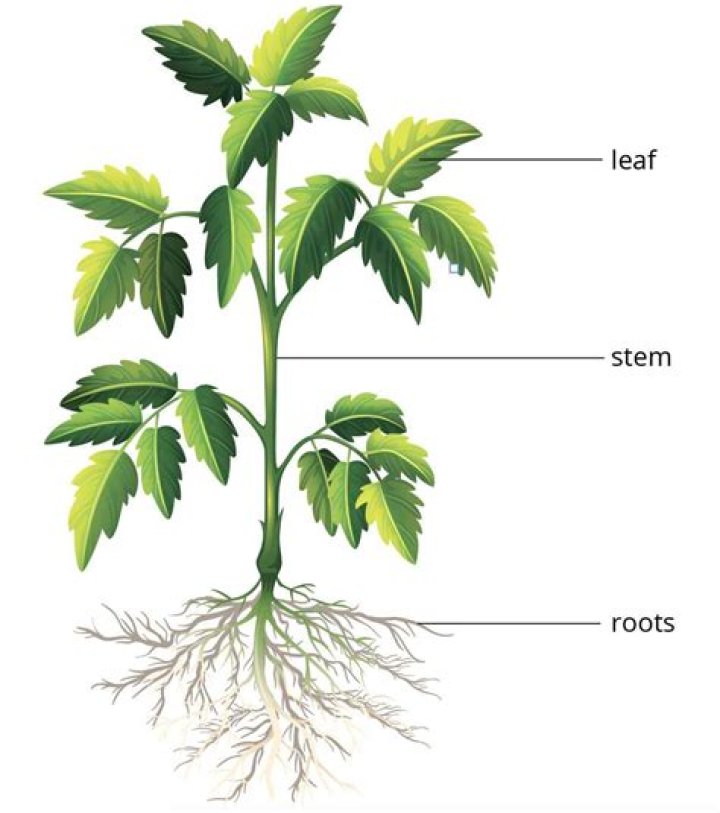
On the plant refers to items located on the surface of the plant. These elements sit externally and are often visible to the naked eye. Common examples include:
- Insects crawling on leaves
- Dew or morning moisture on foliage
- Powdery mildew or other surface diseases
- Dust, pollen, or wax buildup
These surface elements do not penetrate the plant’s internal structures. Instead, they remain on the outside, making them easier to spot and sometimes easier to manage than internal problems.
Common Examples of What Grows or Accumulates On the Plant
Understanding specific surface elements helps with identification and prevention:
- Insects: Aphids, spider mites, whiteflies, and scale insects often gather on the undersides of leaves or along stems.
- Dew and Moisture: Overnight condensation or morning dew creates a thin layer on leaves, which can sometimes encourage fungal growth if humidity stays high.
- Fungal and Bacterial Diseases: Powdery mildew, rust, leaf spots, and downy mildew appear as white, fuzzy, or discolored patches directly on leaf surfaces.
- Waxes and Cuticles: Natural plant waxes or protective coatings can make leaves look dusty or shiny.
- Pollen and Dust: During flowering seasons, pollen settles on petals and leaves, sometimes giving plants a dusty appearance.
Each of these elements sits on the plant, not inside it, which changes how you approach treatment or prevention.
Why Recognizing “On the Plant” Matters for Plant Health
Surface elements affect plants in several ways:
1. Aesthetics and Photosynthesis: Heavy insect presence or mildew can block light from reaching leaves, reducing the plant’s ability to produce energy.
2. Plant Stress: Insects can damage tissue, while fungal growth may weaken stems and leaves over time.
3. Ecosystem Role: Some surface elements (like beneficial insects) actually help plants by pollinating flowers or controlling pests naturally.
4. Ease of Management: Because most surface issues remain external, gardeners can often spot and treat them earlier than internal problems that require systemic approaches.
Understanding on the plant elements also prevents confusion with internal issues like nutrient deficiencies or viral infections that occur in the plant.
“On the Plant” vs. “In the Plant”: Clear Differences
The preposition choice matters because the location changes treatment strategies:
- On the plant (surface): Insects, dew, mildew, and other visible growths. These are external and often respond to surface sprays, manual removal, or cultural practices.
- In the plant (internal): Nutrients being transported, cells performing photosynthesis, beneficial microbes living inside tissues, or viruses spreading through vascular systems. These require different solutions, such as soil amendments or resistant varieties.
Keeping the two concepts separate ensures you apply the right method—surface treatments for on the plant issues and internal support for in the plant processes.
How to Identify and Manage Common “On the Plant” Issues
- Inspect Regularly: Check leaves, stems, and undersides every few days, especially in humid conditions.
- Manual Removal: Gentle washing with water or using a soft brush can remove light insects or dust.
- Targeted Sprays: Neem oil, insecticidal soaps, or sulfur sprays work well for surface insects and mildew when applied directly to affected areas.
- Cultural Practices: Improve air circulation, avoid overhead watering, and choose disease-resistant varieties to reduce surface problems naturally.
- Beneficial Insects: Encourage ladybugs, lacewings, or predatory mites to keep pest populations in check without harsh chemicals.
Always follow label instructions and consider the plant’s specific needs to avoid damaging healthy surface elements.
When to Seek Professional Help
If surface issues spread rapidly, affect multiple plants, or you notice signs of internal damage (wilting, discoloration that doesn’t respond to surface treatments), consult a local extension service or certified arborist. Early professional intervention can prevent small surface problems from becoming serious internal concerns.
Conclusion: Mastering “On the Plant” for Better Garden Results
Knowing what is on the plant gives you a clear advantage in plant care. Surface elements like dew, insects, and mildew are visible and manageable when identified correctly. By distinguishing on the plant from in the plant, you can choose effective, targeted solutions that protect your plants without unnecessary effort.
Start your next plant inspection by asking: “Is this element on the surface or inside the plant?” The answer will guide your next steps toward thriving, healthy greenery.
Keywords used naturally: on the plant, what is on the plant, surface of the plant, insects on plants, diseases on plants, on plants meaning, dew on leaves, powdery mildew on plant.
This guide provides practical, actionable information to help you recognize and manage surface elements on your plants effectively.